Watermelon vs Trengo
Watermelon and Trengo both help businesses manage customer conversations across multiple channels. The biggest difference is their approach. Trengo was originally built around a shared inbox for customer support teams, while Watermelon was built AI-first from day one. If your goal is to automate as many customer conversations as possible while keeping your team in control, Watermelon offers a platform designed specifically for AI-powered customer service.

Watermelon vs. Trengo
Both platforms support the main customer service channels and AI automation. The biggest differences are how AI is integrated into the platform, how pricing works and how much control you have over your AI Agent.
| Watermelon | Trengo | |
|---|---|---|
| AI-first platform | - | |
| Shared inbox | ||
| Website, email & messaging channels | ||
| AI usage included in pricing | - | |
| Free plan | - | |
| Choice of AI models | - | |
| AI playground | - | |
| Fully managed AI Agent | - | |
| European hosting | ||
| ISO 27001 certified |
You are in good company




See the difference between Watermelon and Trengo
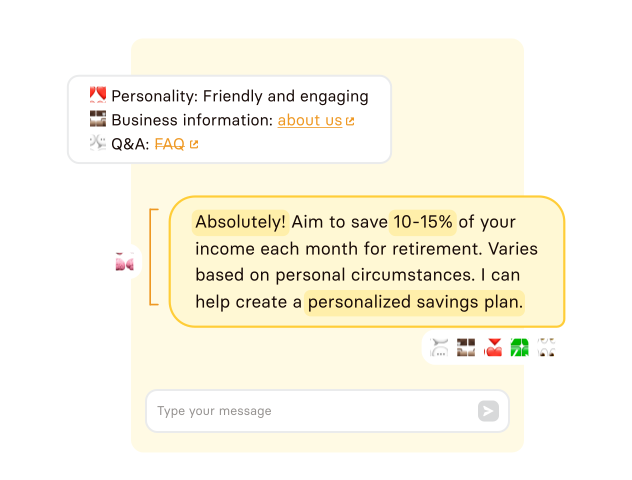
Discover why more businesses are choosing an AI-first customer service platform. Connect your website, email, WhatsApp, Instagram and Facebook Messenger, automate repetitive customer questions and seamlessly hand conversations over to your team whenever human support is needed.

Connect everything
Integrate with your existing tools
Connect your CRM, ERP, webshop and other business systems using AI Actions and our API. Retrieve real-time information, perform actions such as updating orders or customer details and automate customer service without changing your existing workflows.
Designed for every team
Easy to build, easy to improve
Create, test and optimize your AI Agent without writing code. Adjust instructions, monitor performance, improve responses and manage conversations from one intuitive platform. Whether you're just getting started or scaling AI across your organization, Watermelon keeps everything simple.
See how much support our customers automate
From 40% to 98% automation. Faster responses, lower workload, and scalable support.


- 72,000 conversations per year
- 30% fewer phone calls
With Watermelon's AI Agent, KwikFit automates thousands of customer inquiries every month, helping customers faster while giving employees more time for personal support.


- 1,596 visitor questions automatically handled
- 80% less phone support pressure
Vintia automates visitor questions for organizations in the leisure industry. Visitors receive instant answers while the team supports more organizations without hiring additional staff.
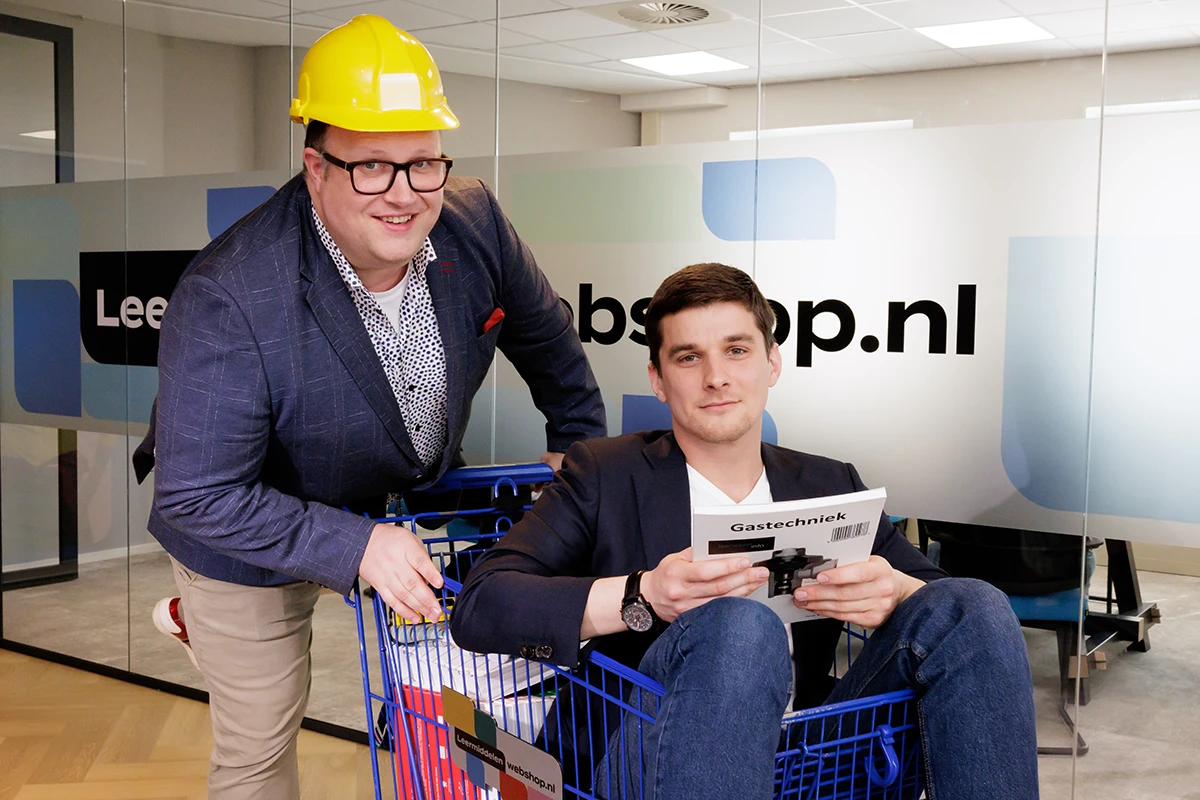

- 93,000 conversations per year handled
- 98% automatically resolved
MBOwebshop automates nearly all student questions. Customers get instant answers while the team scales without hiring.


- 40% outside office hours
- 24/7 support for residents
Gennep provides round-the-clock support without increasing workload for internal teams.
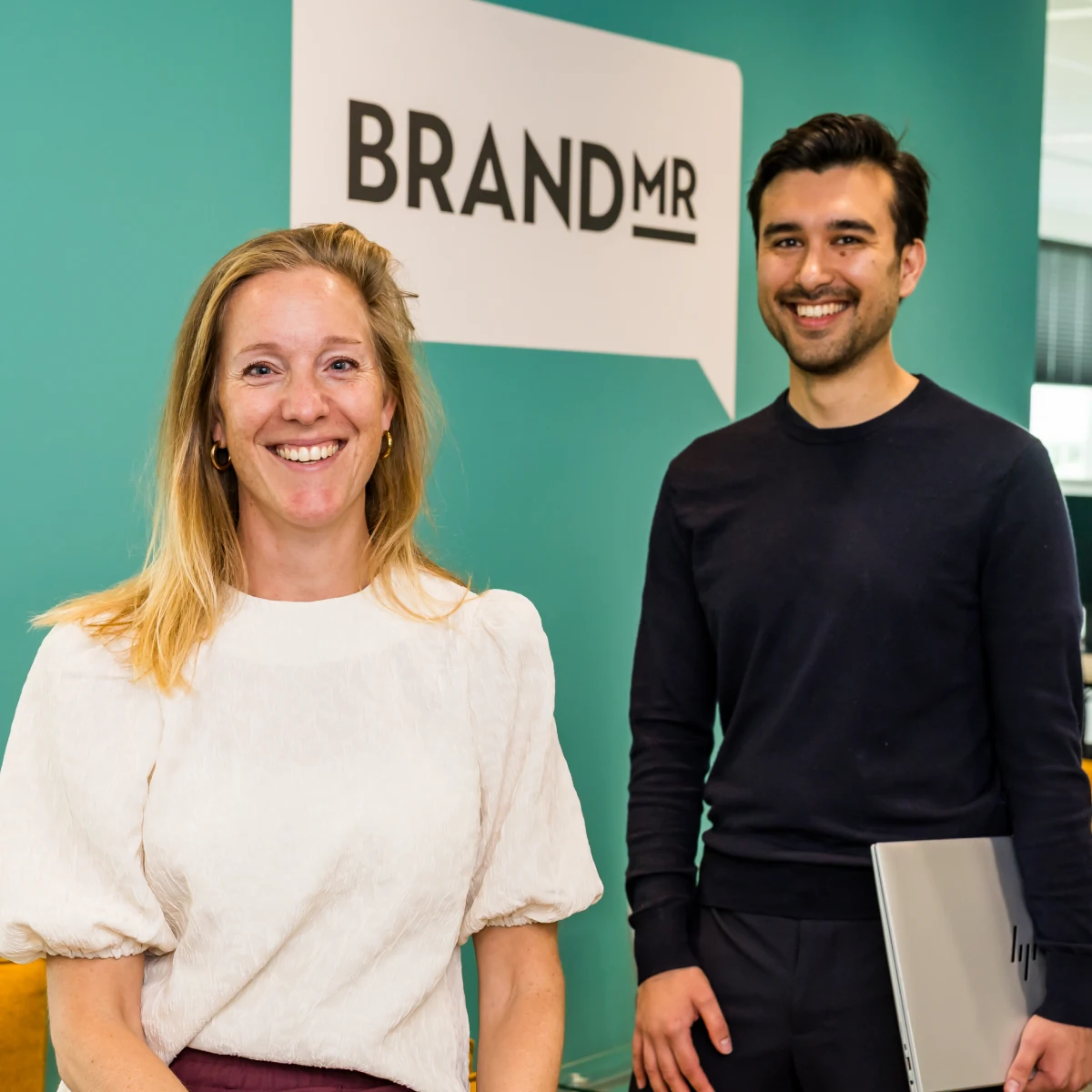

- 90% fewer live chats
- 35 hours saved per week
BrandMR reduces support pressure and frees up time for complex cases.
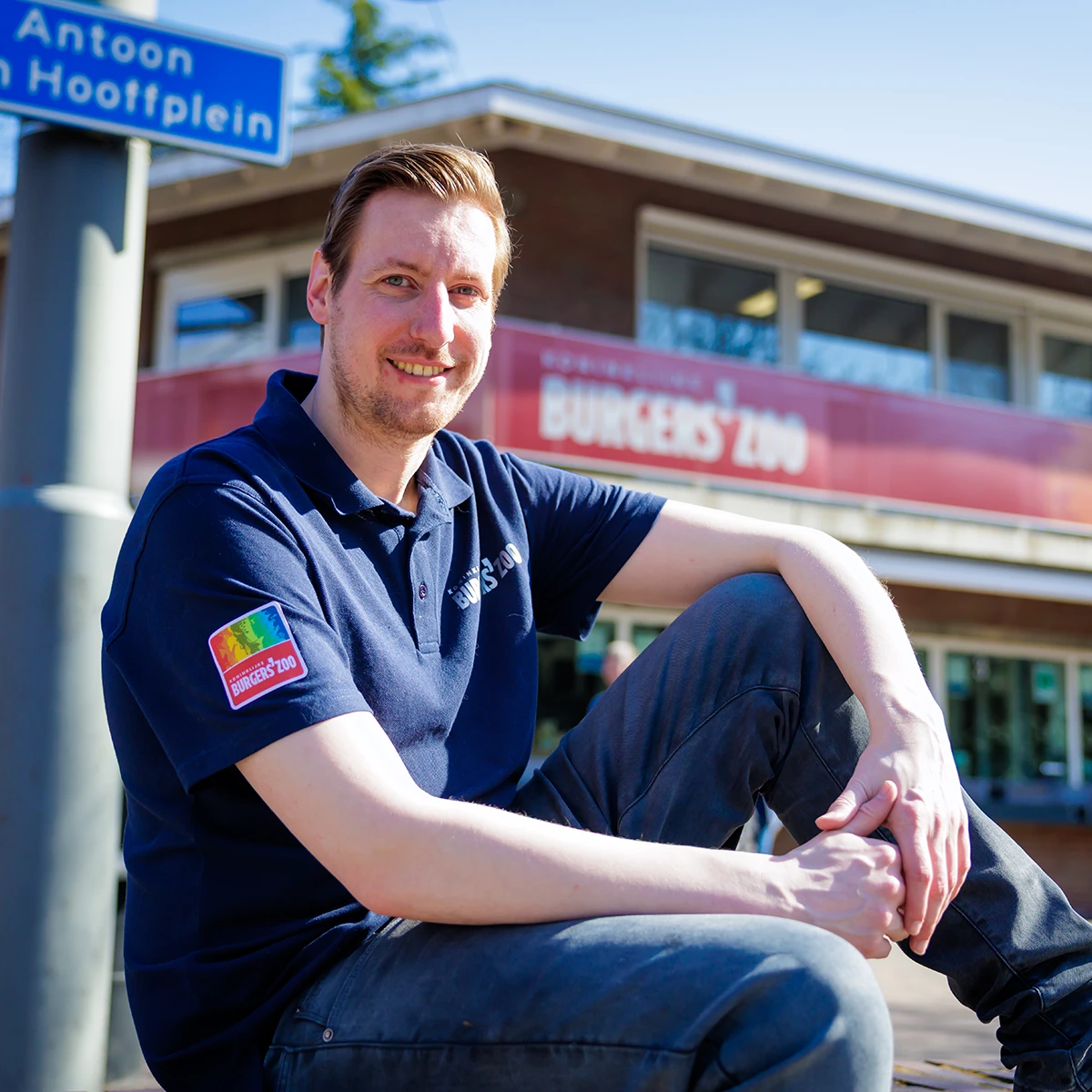

- 80% of inquiries automated
- 1.1M visitors per year
Burgers’ Zoo handles most customer questions automatically, even during peak periods.
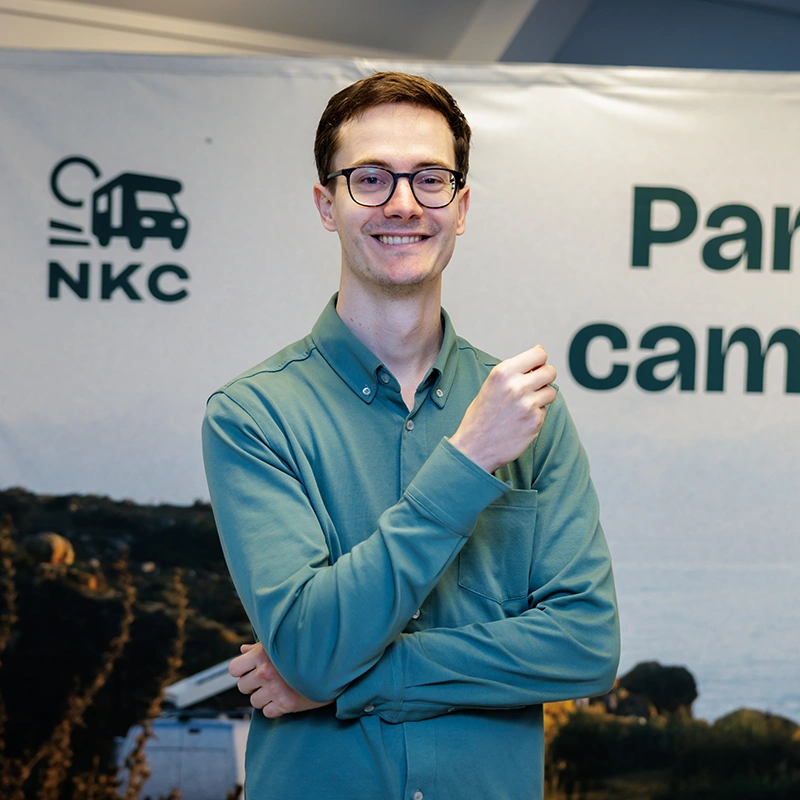
- 100% automated conversations
- 1,500 per month handled
NKC fully automates support and handles peak demand without added workload.